
Diabetes affects millions of people worldwide, but many people are unaware that it can silently damage their eyesight. One of the most serious eye complications of diabetes is Diabetic Retinopathy, a condition that can lead to irreversible vision loss if left untreated. Since the disease often develops without noticeable symptoms in its early stages, regular eye examinations are crucial for early detection and timely treatment.
Understanding diabetic retinopathy, its causes, symptoms, and treatment options can help protect your vision and maintain a better quality of life.
What is Diabetic Retinopathy?
Diabetic Retinopathy is an eye disease that affects the retina, the light-sensitive tissue at the back of the eye responsible for sending visual signals to the brain.
High blood sugar levels can damage the tiny blood vessels in the retina, causing them to leak fluid or bleed. As the condition progresses, abnormal blood vessels may develop, increasing the risk of severe vision loss and even blindness.
Diabetic retinopathy generally develops in two stages:
1. Non-Proliferative Diabetic Retinopathy (NPDR)
- Early stage of the disease.
- Blood vessels weaken, swell, or leak fluid.
- Vision may remain normal initially.
2. Proliferative Diabetic Retinopathy (PDR)
- Advanced stage of diabetic retinopathy.
- New abnormal blood vessels grow on the retina.
- These vessels can bleed into the eye, cause retinal detachment, or lead to glaucoma.
Causes of Diabetic Retinopathy
The primary cause of diabetic retinopathy is long-term uncontrolled diabetes. Persistently high blood sugar damages the retinal blood vessels, leading to:
- Leakage of blood or fluid
- Swelling of the retina (Macular Edema)
- Blockage of blood supply
- Growth of fragile new blood vessels
Over time, these changes can significantly affect vision and may result in permanent eyesight loss if left untreated.
Risk Factors
Several factors increase the risk of developing diabetic retinopathy:
- Having diabetes for more than 5–10 years
- Poor blood sugar control
- High blood pressure (Hypertension)
- High cholesterol levels
- Kidney disease
- Pregnancy in women with diabetes
- Smoking
- Obesity
- Lack of regular diabetic eye examinations
The longer a person has diabetes, the greater the risk of retinal damage.
Diagnosis
Early diagnosis is essential because diabetic retinopathy often does not show symptoms until vision has already been affected. Your eye specialist may recommend the following diagnostic tests:
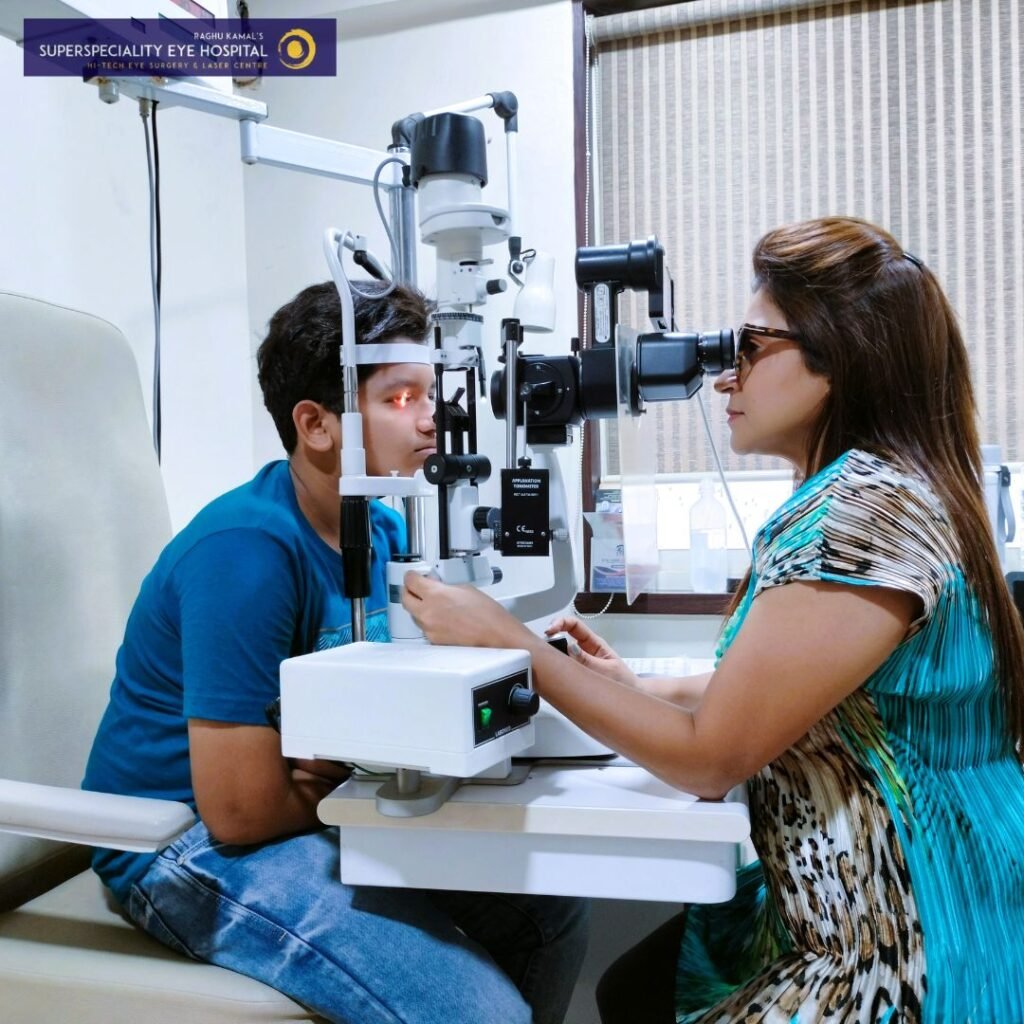
Comprehensive Dilated Eye Examination
Eye drops are used to enlarge the pupils, allowing detailed examination of the retina and optic nerve.
Optical Coherence Tomography (OCT)
Provides high-resolution cross-sectional images of the retina to detect swelling and fluid accumulation.
Fundus Photography
Captures detailed images of the retina to monitor disease progression over time.
Fluorescein Angiography
A special dye is injected into the bloodstream to identify leaking or blocked retinal blood vessels.
Regular retinal screening helps detect diabetic retinopathy before permanent damage occurs.
Treatment Options
Treatment depends on the severity of the disease and the extent of retinal damage.
Blood Sugar Control
Maintaining healthy blood sugar levels can slow or even prevent disease progression.
Intravitreal Injections
Anti-VEGF medications help reduce retinal swelling and stop abnormal blood vessel growth.
Laser Treatment (Laser Photocoagulation)
Laser therapy seals leaking blood vessels and helps prevent further retinal damage.
Vitrectomy Surgery
In advanced cases involving severe bleeding or retinal detachment, vitrectomy surgery removes blood from the vitreous and repairs retinal damage.
Early treatment greatly improves the chances of preserving vision.
Prevention Tips
Although diabetic retinopathy cannot always be prevented, its progression can often be slowed with proper diabetes management.
- Keep blood sugar levels under control.
- Maintain healthy blood pressure and cholesterol.
- Eat a balanced and nutritious diet.
- Exercise regularly.
- Avoid smoking and excessive alcohol consumption.
- Take diabetes medications exactly as prescribed.
- Schedule a comprehensive eye examination at least once every year.
- Seek immediate medical attention if you notice sudden changes in your vision.
When Should You Visit an Eye Specialist?
Consult an eye specialist immediately if you experience any of the following symptoms:
- Blurred or fluctuating vision
- Floaters or dark spots
- Difficulty reading
- Poor night vision
- Sudden loss of vision
- Distorted or wavy vision
- Difficulty recognizing faces
- Any vision changes if you have diabetes
Even if you have no symptoms, every person living with diabetes should undergo regular retinal screening.
Why Choose Raghu Kamal Eye Hospital?
At Raghu Kamal Eye Hospital, we are committed to protecting your vision through advanced diagnostic technology and personalized diabetic eye care.
Our services include:
- Comprehensive diabetic retinal screening
- Advanced retinal imaging and OCT scanning
- Experienced retina specialists
- Laser treatment for diabetic retinopathy
- Intravitreal injection therapy
- Vitrectomy surgery for advanced retinal diseases
- Personalized treatment plans
- Compassionate patient-centered care
- Modern equipment with high standards of safety and precision
Early diagnosis and timely treatment can prevent most diabetes-related vision loss.
Frequently Asked Questions (FAQs)
1. Can diabetic retinopathy cause blindness?
Yes. If left untreated, diabetic retinopathy can lead to severe vision loss or permanent blindness. However, early diagnosis and treatment can significantly reduce this risk.
2. Does diabetic retinopathy always cause symptoms?
No. In its early stages, diabetic retinopathy often develops without noticeable symptoms, making regular eye examinations essential.
3. How often should diabetic patients have an eye examination?
Most people with diabetes should undergo a comprehensive dilated eye examination at least once every year. Your eye specialist may recommend more frequent visits depending on your condition.
4. Can diabetic retinopathy be cured?
While existing retinal damage cannot always be reversed, timely treatment can slow disease progression, preserve vision, and prevent serious complications.
5. Is diabetic retinopathy only seen in older people?
No. Anyone with Type 1 or Type 2 diabetes can develop diabetic retinopathy regardless of age, especially if diabetes has been present for several years.
6. Can good diabetes control reduce the risk?
Yes. Maintaining healthy blood sugar, blood pressure, and cholesterol levels significantly lowers the risk of developing diabetic retinopathy and slows its progression.
Conclusion
Diabetic retinopathy is a silent but serious complication of diabetes that can threaten your eyesight without warning. The good news is that regular eye examinations, early diagnosis, and timely treatment can prevent most cases of vision loss.
If you have diabetes, don’t wait until your vision becomes blurry. Make regular retinal screening an essential part of your diabetes care routine.
Protect your vision today. Schedule a comprehensive diabetic eye examination at Raghu Kamal Eye Hospital and take the first step toward preserving your eyesight for years to come.