

A cataract is one of the most common eye conditions that affects people as they age. It develops gradually, causing the eye’s natural lens to become cloudy, leading to blurred or hazy vision. While cataracts are a normal part of the aging process for many individuals, they can also occur due to injury, certain medical conditions, or prolonged exposure to UV rays.
The good news is that cataracts are highly treatable with timely diagnosis and advanced medical care. Modern cataract surgery in Mumbai is one of the safest and most successful eye procedures, helping patients restore clear vision, reduce visual discomfort, and improve their overall quality of life.
At Raghu Kamal Hospital, our experienced ophthalmologists in Mumbai provide comprehensive cataract diagnosis and treatment using advanced diagnostic technology and state-of-the-art surgical techniques. We offer personalized treatment plans based on each patient’s eye condition, ensuring safe, precise, and effective outcomes with a strong focus on long-term visual health.
What is a Cataract?
A cataract is the clouding of the eye’s natural lens, which lies behind the iris and pupil. Normally, this lens is clear and helps focus light onto the retina, allowing you to see clearly. As a cataract develops, the lens becomes cloudy, preventing light from passing through properly.
This can make everyday activities such as reading, driving, watching television, or recognizing faces increasingly difficult. Cataracts usually develop slowly and may affect one or both eyes.
Symptoms of Cataract
Common symptoms include:
- Blurred or cloudy vision
- Difficulty seeing at night
- Increased sensitivity to bright lights and glare
- Seeing halos around lights
- Frequent changes in eyeglass or contact lens prescription
- Colors appearing faded or yellowish
- Double vision in one eye
- Difficulty reading or performing detailed work
If you notice any of these symptoms, it is important to schedule a comprehensive eye examination.
Causes of Cataract
Several factors can contribute to cataract formation, including:
- Natural aging
- Diabetes
- Eye injuries
- Long-term use of steroid medications
- Excessive exposure to ultraviolet (UV) rays
- Smoking
- Excessive alcohol consumption
- Previous eye surgery
- Certain inherited or congenital conditions
Risk Factors
You may be at a higher risk of developing cataracts if you:
- Are over the age of 60
- Have diabetes
- Have high blood pressure
- Smoke or consume alcohol regularly
- Spend long hours in direct sunlight without UV protection
- Have experienced previous eye trauma or surgery
- Use corticosteroid medications for prolonged periods
Diagnosis
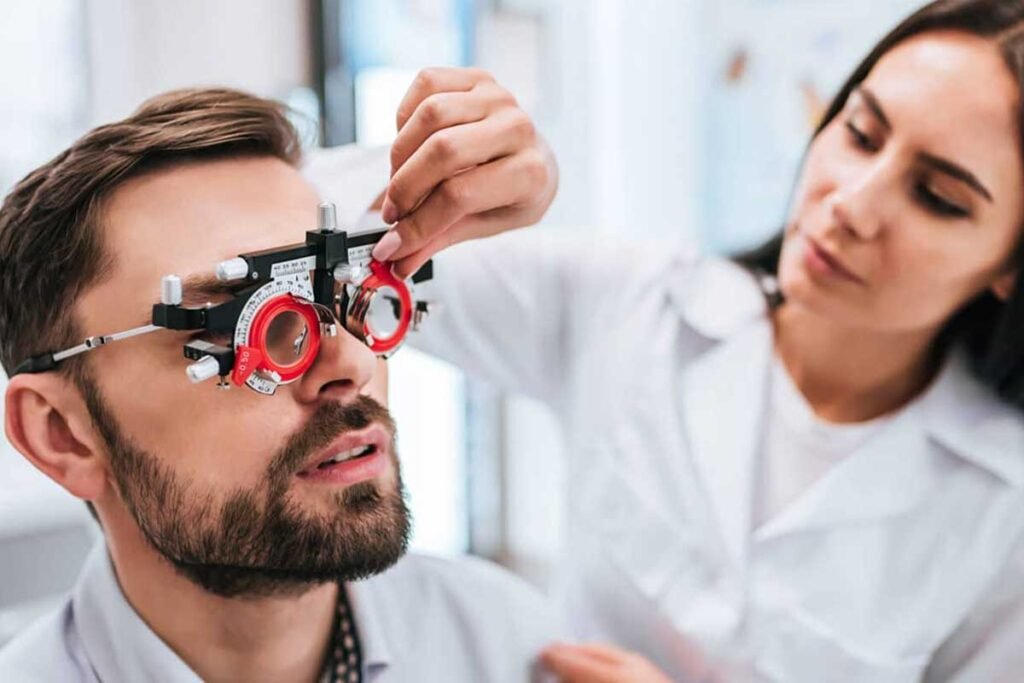
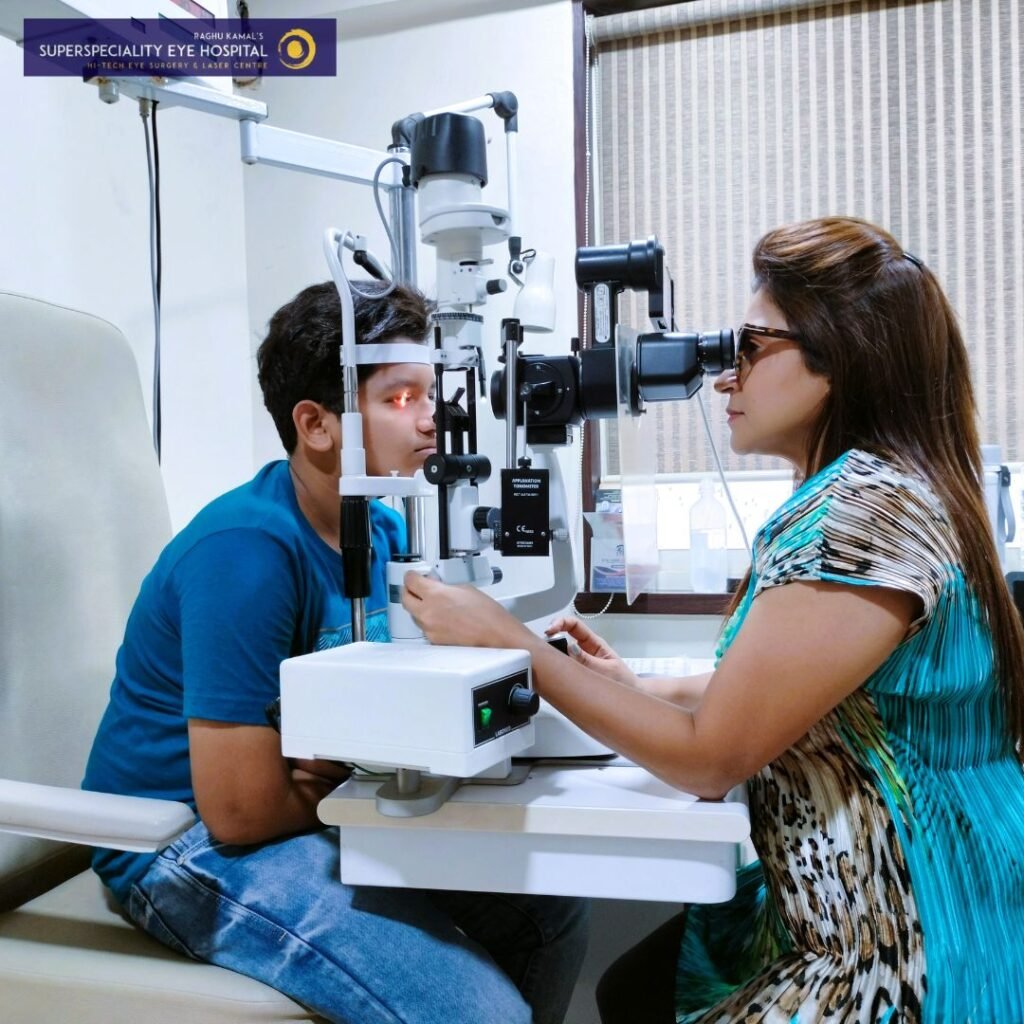
A cataract can be diagnosed through a comprehensive eye examination performed by an ophthalmologist.
The evaluation may include:
- Visual acuity (vision) test
- Slit-lamp examination
- Dilated eye examination
- Retina evaluation
- Intraocular pressure (eye pressure) measurement
- Biometry for surgical planning when required
Early diagnosis helps determine the right time for treatment and prevents unnecessary vision loss.
Treatment Options
Early Stage Cataract
In the initial stages, vision may improve with:
- Updated eyeglasses
- Better lighting
- Anti-glare sunglasses
- Magnifying lenses for reading
However, these measures only provide temporary relief and do not remove the cataract.
Cataract Surgery
The only effective treatment for cataracts is surgery.
During cataract surgery:
- The cloudy natural lens is removed.
- It is replaced with a clear artificial intraocular lens (IOL).
- The procedure is painless and usually takes 15–20 minutes.
- Patients return home the same day.
- Vision typically improves within a few hours, with complete recovery over the following weeks.
Modern cataract surgery is highly successful and allows patients to return to their normal daily activities with improved vision.
Prevention Tips
Although cataracts cannot always be prevented, you can reduce your risk by:
- Wearing UV-protective sunglasses outdoors
- Managing diabetes and other medical conditions
- Eating a balanced diet rich in fruits and green leafy vegetables
- Avoiding smoking and limiting alcohol intake
- Protecting your eyes from injury
- Having regular comprehensive eye check-ups, especially after the age of 40
When Should You Visit an Eye Specialist?
Consult an eye specialist if you experience:
- Persistent blurred vision
- Difficulty driving, especially at night
- Increased glare from lights
- Frequent changes in spectacle power
- Difficulty reading despite using glasses
- Vision that interferes with your daily activities
Early consultation allows timely diagnosis and appropriate treatment before vision deteriorates significantly.
Why Choose Raghu Kamal Eye Hospital?
At *Raghu Kamal Hospital, Malad West, Mumbai*, we are committed to delivering comprehensive and compassionate eye care using advanced technology.
Why patients trust us:
- Experienced ophthalmologists and eye surgeons
- Advanced cataract diagnostic facilities
- Modern cataract surgery techniques
- Premium intraocular lens (IOL) options
- Personalized treatment plans
- Safe, hygienic, and patient-friendly environment
- Transparent treatment guidance
- Cashless insurance and CGHS support (where applicable)
- Dedicated pre-operative and post-operative care
Our goal is to help every patient achieve clearer vision with safe and effective treatment.
Frequently Asked Questions
1. Can cataracts be treated without surgery?
No. While glasses may improve vision in the early stages, surgery is the only permanent treatment for cataracts.
2. Is cataract surgery painful?
No. Cataract surgery is performed under local anesthesia, making the procedure virtually painless.
3. How long does cataract surgery take?
The procedure generally takes about 15–20 minutes, and patients return home the same day.
4. When can I resume normal activities after surgery?
Patients can return to light daily activities within a few hours, although complete healing may take a few days.
5. Can cataracts come back after surgery?
No. Once the cloudy lens is removed, it does not grow back. However, some patients may develop cloudiness in the lens capsule (posterior capsule opacification), which can be easily treated with a quick laser procedure.
6. At what age do cataracts usually develop?
Cataracts are most common after the age of 60, but they may also occur earlier due to diabetes, eye injuries, prolonged steroid use, or certain medical conditions.
Conclusion
Cataracts are a common and highly treatable cause of vision loss. Recognizing the symptoms early and seeking timely medical care can help preserve your vision and improve your quality of life. With today’s advanced cataract surgery techniques, most patients enjoy excellent visual outcomes and a quick recovery.
If you or a loved one is experiencing blurred vision, glare, or difficulty with everyday activities, don’t delay your eye examination.
Book your cataract consultation at Raghu Kamal Hospital, Malad West, Mumbai, and let our experienced eye specialist help you restore clear, comfortable vision with advanced and compassionate care.