
Introduction
Good vision is essential for a child's learning, development, and overall well-being. Since children may not realize they have a vision problem or may be unable to express what they are experiencing, many eye conditions go unnoticed until they begin to affect academic performance, social interactions, or daily activities.
Early detection of vision problems is crucial because many childhood eye conditions can be successfully treated if diagnosed at the right time. Regular eye examinations and awareness of warning signs can help protect your child's eyesight and support healthy visual development.
What is the Condition?
Vision problems in children refer to any condition that affects a child's ability to see clearly or use both eyes together effectively. These problems may be present at birth or develop as the child grows.
Some of the most common childhood vision problems include:
Refractive Errors
Nearsightedness (Myopia), Farsightedness (Hyperopia), and Astigmatism.
Lazy Eye (Amblyopia)
Reduced vision in one eye due to abnormal visual development.
Crossed Eyes (Strabismus)
Misalignment of the eyes, where one or both eyes turn inward, outward, upward, or downward.
Convergence Insufficiency
Difficulty coordinating both eyes while reading or doing close-up work.
Color Vision Deficiency
Difficulty distinguishing certain colors.
Congenital Eye Disorders
Conditions such as congenital cataracts or glaucoma that require early medical attention.
Many of these conditions may not cause obvious symptoms initially, making regular eye check-ups extremely important.
Causes
Vision problems in children can occur due to several reasons, including:
- Genetic or hereditary factors
- Improper development of the eyes
- Premature birth
- Congenital eye abnormalities
- Eye injuries
- Infections affecting the eyes
- Excessive screen time without adequate breaks
- Certain neurological or systemic health conditions
In many cases, refractive errors occur as the eye grows and are not caused by anything the child or parents did.
Risk Factors
Some children are at a higher risk of developing vision problems than others.
Common risk factors include:
Family history of eye disorders or high spectacle power
Premature birth or low birth weight
Developmental delays
Diabetes or other chronic medical conditions
Previous eye injury
Frequent use of digital devices for prolonged periods
Poor visual habits such as reading in poor lighting or holding books very close
Lack of routine eye examinations
Diagnosis
Early diagnosis plays a vital role in preventing permanent vision problems.
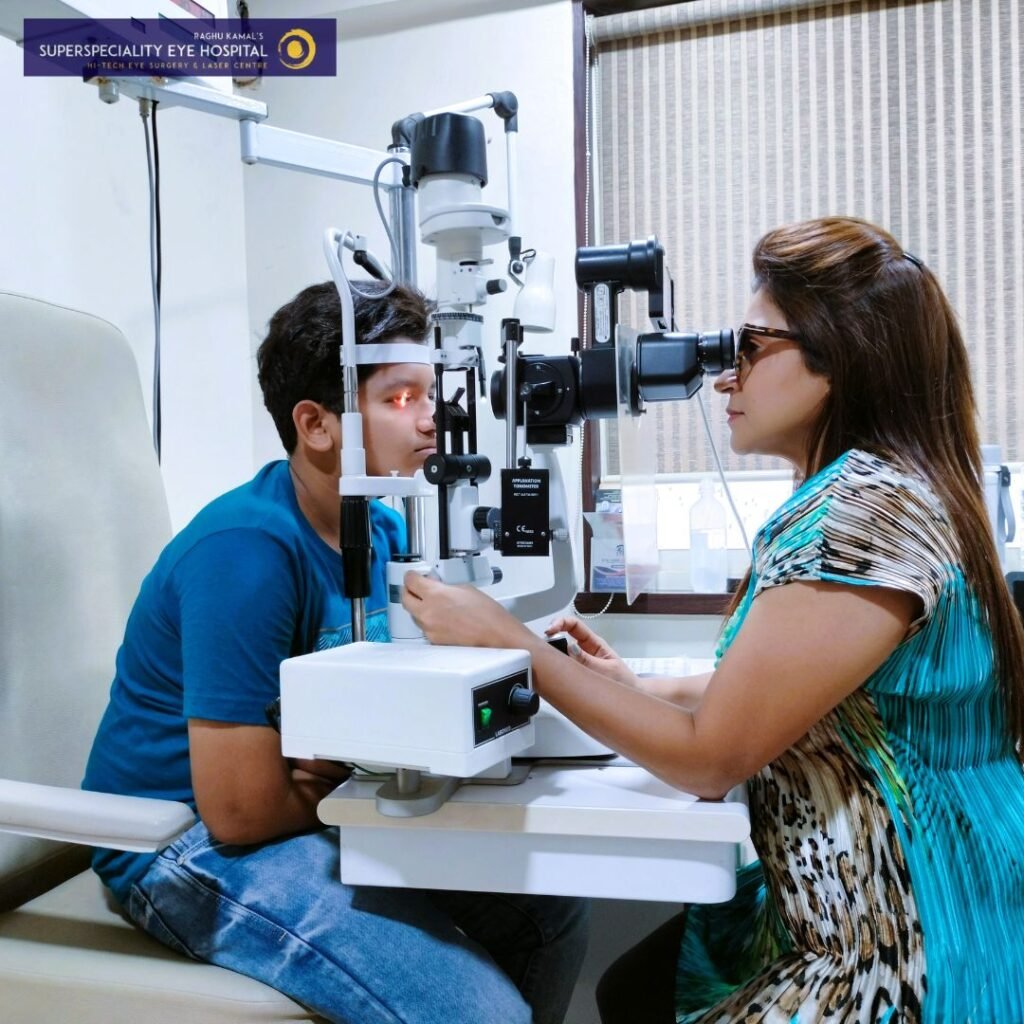
Comprehensive Pediatric Eye Examination
A complete assessment of your child's eye health and visual development.
Visual Acuity Testing
Measures how clearly your child can see at different distances.
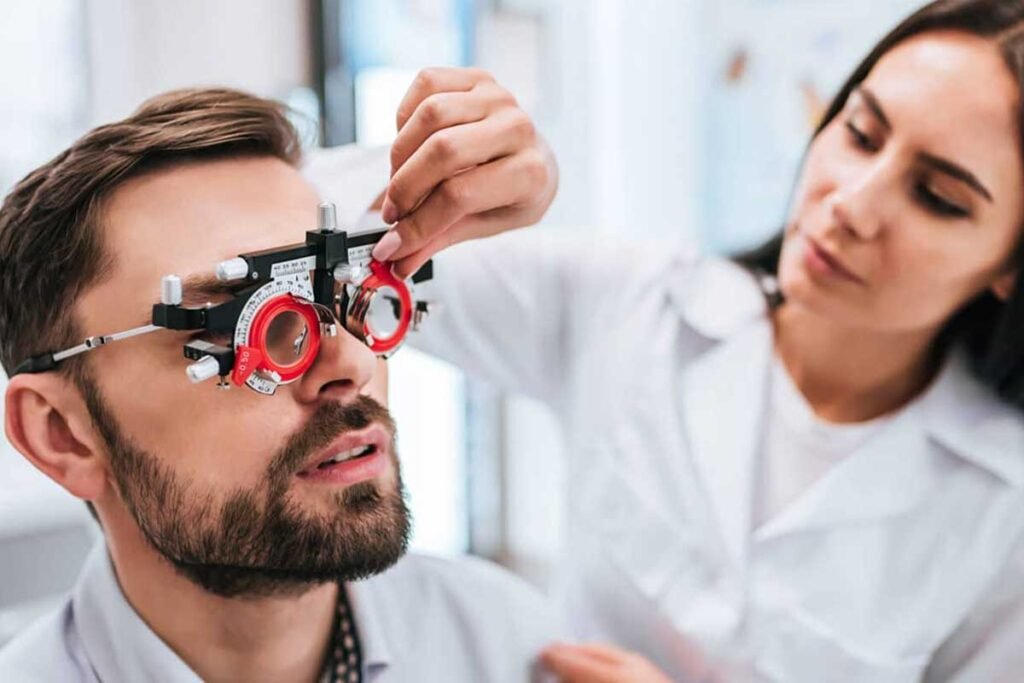
Refraction Test
Determines whether your child requires glasses.
Eye Alignment and Eye Movement Tests
Checks whether both eyes work together properly.
Dilated Eye Examination
Allows the doctor to examine the retina, optic nerve, and internal structures of the eye.
Vision Screening for Infants and Preschool Children
Age-appropriate screening helps identify eye problems before they affect learning.
Routine eye examinations are recommended even if a child does not complain of vision difficulties.
Treatment Options
Treatment depends on the specific eye condition and the child's age.
Prescription Glasses
Correct refractive errors such as myopia, hyperopia, and astigmatism.
Contact Lenses
Suitable for selected older children and teenagers under specialist guidance.
Eye Patching Therapy
Used to treat lazy eye (amblyopia) by strengthening the weaker eye.
Vision Therapy
Helps improve eye coordination, focusing ability, and visual skills for certain conditions.
Medications
Eye drops or medicines may be prescribed for specific eye conditions.
Pediatric Eye Surgery
Some conditions, such as congenital cataracts, glaucoma, or severe strabismus, may require surgical treatment.
Prevention Tips
Although not all childhood vision problems can be prevented, parents can help maintain healthy eyesight by following these simple measures:
-
✓
Schedule regular comprehensive eye examinations.
-
✓
Encourage outdoor activities every day.
-
✓
Limit recreational screen time according to your child's age.
-
✓
Follow the 20-20-20 rule during prolonged near work.
-
✓
Ensure adequate lighting while reading or studying.
-
✓
Provide a balanced diet rich in Vitamin A, Vitamin C, Vitamin E, Omega-3 fatty acids, and leafy green vegetables.
-
✓
Encourage children to wear protective eyewear during sports.
-
✓
Watch for signs of vision difficulties and seek prompt medical attention.
Healthy habits support lifelong eye health.
When Should You Visit an Eye Specialist?
Consult an eye specialist if your child experiences:
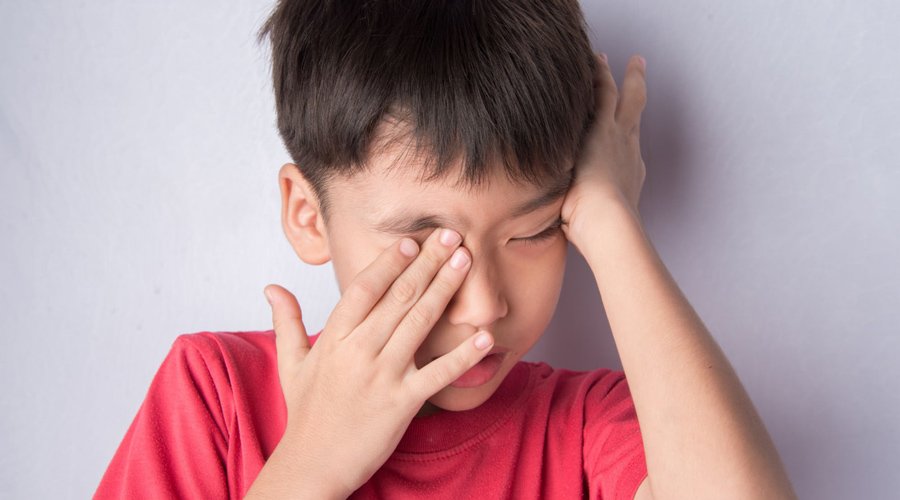
- Frequent eye rubbing
- Squinting while looking at distant objects
- Sitting too close to the television
- Holding books very close to the face
- Frequent headaches
- Complaints of blurred or double vision
- Excessive tearing
- Light sensitivity
- Crossed or wandering eyes
- Difficulty reading or concentrating at school
- Poor academic performance without another clear cause
Parents should also arrange routine eye examinations even if no symptoms are present, as many childhood eye conditions develop silently.
Why Choose Raghu Kamal Eye Hospital?
At Raghu Kamal Hospital, we understand that children's eyes require specialized care and attention. Our experienced eye specialists provide comprehensive pediatric eye evaluations using advanced diagnostic technology in a child-friendly environment.
Our pediatric eye care services include:
Comprehensive eye examinations for children of all ages
Vision screening for infants and school-going children
Diagnosis and treatment of refractive errors
Management of lazy eye (amblyopia)
Treatment for squint (strabismus)
Pediatric cataract evaluation and management
Advanced diagnostic imaging
Personalized treatment plans
Compassionate care focused on your child's comfort and long-term vision
We are committed to helping every child achieve healthy vision for a brighter future.
Frequently Asked Questions (FAQs)
01 At what age should my child have their first eye examination?
A child's first comprehensive eye examination is generally recommended during infancy, followed by additional check-ups before starting school and regularly thereafter, or as advised by the eye specialist.
02 How do I know if my child needs glasses?
Signs may include squinting, sitting too close to the TV, headaches, poor school performance, holding books very close, or frequent eye rubbing. A comprehensive eye examination is the best way to determine if glasses are needed.
03 Can excessive screen time affect my child's eyes?
Prolonged screen use can cause digital eye strain, dry eyes, headaches, and temporary blurred vision. Encouraging regular breaks and limiting screen time can help reduce these symptoms.
04 Can lazy eye be treated?
Yes. When diagnosed early, lazy eye (amblyopia) can often be successfully treated with glasses, eye patching, vision therapy, or other appropriate treatments.
05 Are childhood vision problems permanent?
Not always. Many childhood eye conditions can be effectively managed or corrected when detected early, allowing children to develop normal vision.
06 How often should children have eye examinations?
Children should have regular eye examinations as recommended by their eye specialist. Those with existing eye conditions or a family history of vision problems may require more frequent visits.
Conclusion
Healthy vision is essential for your child's growth, learning, and confidence. Because many childhood vision problems develop without obvious symptoms, regular eye examinations are the best way to detect issues early and prevent long-term complications.
If you notice any signs of vision problems—or even if your child seems to see well—don't delay a professional eye check-up. Early diagnosis and timely treatment can make a lifelong difference.
Give your child the gift of clear vision.
Schedule a comprehensive pediatric eye examination at Raghu Kamal Hospital today and help ensure a brighter, healthier future for your little one.