
Introduction
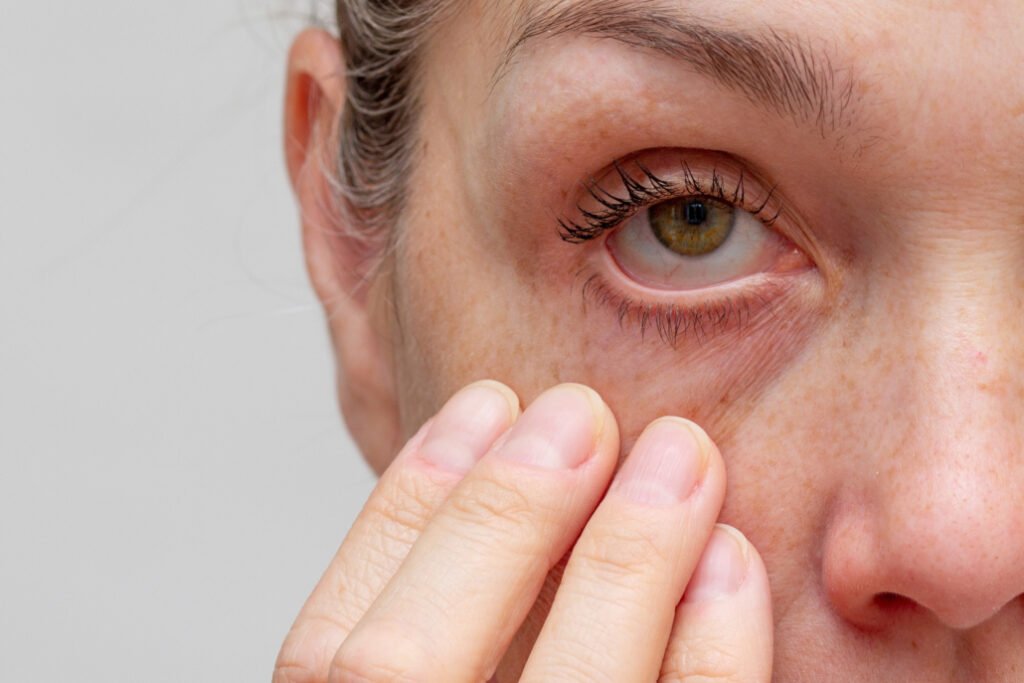
Do your eyes often feel dry, itchy, or irritated, especially after spending hours on a computer or in an air-conditioned room? Dry eyes are a common condition that affects people of all ages and can interfere with daily activities such as reading, driving, or using digital devices.
While occasional dryness may not be a cause for concern, persistent symptoms should never be ignored.
Understanding the causes, symptoms, and treatment options can help protect your eye health and improve your quality of life.
What Is Dry Eye Syndrome?
Dry eye syndrome, also known as dry eye disease, occurs when your eyes do not produce enough tears or when the tears evaporate too quickly. Tears are essential for keeping the surface of the eyes lubricated, washing away debris, and maintaining clear vision.
When the tear film becomes unstable, the eyes may become inflamed, uncomfortable, and more vulnerable to infection or damage to the cornea.
Causes of Dry Eyes
Several factors can contribute to dry eye symptoms. Common causes include:
- Reduced tear production due to aging
- Excessive tear evaporation
- Long hours of screen time with reduced blinking
- Air conditioning, fans, or dry climates
- Contact lens use
- Hormonal changes, particularly in women
- Certain medications such as antihistamines, antidepressants, and blood pressure medications
- Eye surgeries such as LASIK, which may cause temporary dryness
- Autoimmune diseases such as Sjögren's syndrome, rheumatoid arthritis, or lupus
- Vitamin A deficiency, although this is less common
Risk Factors
You may be more likely to develop dry eye syndrome if you:
Are over 50 years of age
Spend extended periods using computers, smartphones, or tablets
Wear contact lenses regularly
Have diabetes or thyroid disorders
Have autoimmune diseases
Are frequently exposed to smoke, dust, or pollution
Live or work in air-conditioned environments
Have undergone refractive eye surgery
Experience hormonal changes during pregnancy or menopause
How Is Dry Eye Diagnosed?
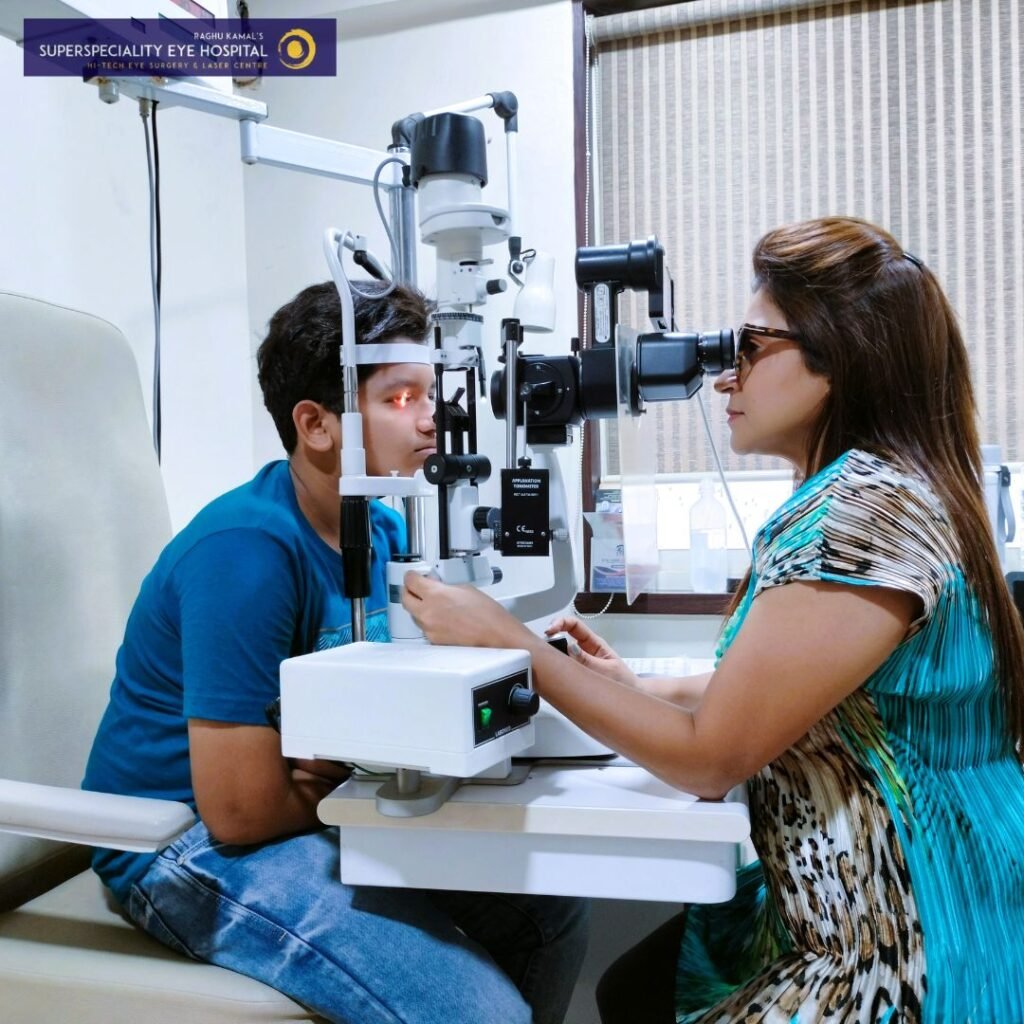
An eye specialist can diagnose dry eyes through a comprehensive eye examination. Depending on your symptoms, the examination may include:
Symptoms & Medical History
Reviewing your symptoms, lifestyle, medications, and relevant medical history.
Tear Film Examination
Examining the tear film and eyelids to identify abnormalities.
Schirmer Test
Measuring tear production using the Schirmer test.
Tear Stability Assessment
Assessing tear quality and how stable the tear film remains.
Eye Surface Examination
Special dyes may be used to identify damage or irritation on the surface of the eye.
Meibomian Gland Evaluation
The oil-producing glands may be evaluated because blocked or dysfunctional glands can contribute to tear evaporation.
An accurate diagnosis helps determine the underlying cause and the most appropriate treatment.
Dry Eye Treatment Options
Treatment depends on the severity and underlying cause of dry eyes. Your eye specialist may recommend one or more of the following options.
Artificial Tears
Lubricating eye drops can help relieve mild to moderate dryness and improve eye comfort.
Prescription Eye Drops
Certain prescription eye drops can help reduce inflammation and support natural tear production.
Warm Compresses & Eyelid Hygiene
These measures can be helpful when blocked oil glands contribute to excessive tear evaporation.
Punctal Plugs
Tiny plugs inserted into the tear ducts can help retain natural tears on the eye surface.
Lifestyle Modifications
Reducing screen time, increasing blinking, staying hydrated, and using humidifiers can improve symptoms.
Nutritional Support
Omega-3 fatty acids may support healthy tear production in some patients.
Advanced Dry Eye Therapies
In more severe cases, specialized treatments recommended by your ophthalmologist may provide longer-term relief.
Prevention Tips for Dry Eyes
Although dry eyes cannot always be prevented, healthy eye habits can help reduce your risk and improve comfort.
-
✓
Follow the 20-20-20 rule
During screen use, look at something about 20 feet away for 20 seconds every 20 minutes.
-
✓
Blink frequently
Make a conscious effort to blink regularly while using digital devices.
-
✓
Stay hydrated
Drink enough fluids throughout the day to support overall eye health.
-
✓
Protect your eyes outdoors
Wear sunglasses to reduce exposure to wind, dust, and sunlight.
-
✓
Use a humidifier
Humidifiers may help in dry indoor environments.
-
✓
Avoid smoke
Avoid smoking and exposure to secondhand smoke.
-
✓
Maintain eyelid hygiene
Keep your eyelids clean, particularly if you experience eyelid or oil-gland problems.
-
✓
Schedule regular eye examinations
Comprehensive eye examinations can help detect problems early.
When Should You Visit an Eye Specialist?
Consult an eye specialist if you experience any of the following:
- Persistent dry or irritated eyes
- Burning or stinging sensations
- Redness that does not improve
- Blurred vision
- Light sensitivity
- Excessive watering despite dryness
- Difficulty wearing contact lenses
- Eye pain or a feeling of something stuck in the eye
Early diagnosis can help prevent complications and protect your long-term vision.
Why Choose Raghu Kamal Hospital?
At Raghu Kamal Hospital, we are committed to providing comprehensive eye care using modern diagnostic technology and personalized treatment plans.
Experienced ophthalmologists
Comprehensive dry eye evaluation
Advanced diagnostic equipment
Personalized treatment plans
Patient-focused care and counselling
High standards of safety and hygiene
Complete eye care services under one roof
Whether your symptoms are mild or severe, our team works to identify the root cause and provide appropriate, personalized care.
Frequently Asked Questions
01 Can dry eyes affect my vision?
Yes. Dry eyes can cause temporary blurred vision, fluctuating vision, and difficulty focusing. Treating the underlying dryness may improve visual clarity.
02 Is dry eye syndrome a permanent condition?
It can be a chronic condition for some people, but with proper treatment and lifestyle changes, symptoms can often be managed effectively.
03 Does screen time make dry eyes worse?
Yes. People tend to blink less while using digital devices, which can cause tears to evaporate more quickly and lead to dry eye symptoms.
04 Are artificial tears safe for daily use?
Many preservative-free artificial tears are suitable for regular use. However, frequent or persistent symptoms should be evaluated by an eye specialist.
05 Can drinking more water help with dry eyes?
Staying hydrated supports overall health and may help reduce dryness, although additional treatment may be needed depending on the underlying cause.
06 Can dry eyes be prevented?
While not all cases can be prevented, maintaining healthy eye habits, limiting prolonged screen time, protecting your eyes from environmental irritants, and having regular eye check-ups can help reduce your risk.
Conclusion
Dry eyes may seem like a minor inconvenience, but persistent symptoms can affect your comfort, productivity, and overall eye health. Early diagnosis and appropriate treatment can provide relief and help prevent complications.
If you are experiencing ongoing dryness, irritation, burning, or blurred vision, don't ignore the symptoms. A comprehensive eye examination can help identify the underlying cause and guide the right treatment.
Don't Let Dry Eyes Affect Your Everyday Life
Book a comprehensive eye examination at Raghu Kamal Hospital and speak with our experienced eye specialists.